Appetite control tea offers a safe, affordable, and research-backed method to curb cravings and support weight management goals.
Their bioactive compounds influence brain chemistry, promote moderate fat burning, and aid digestion. When combined with healthy lifestyle changes, these teas offer a natural way to control hunger.
Whether you struggle with overeating, emotional eating, or just want to dial in healthier habits, these brews deserve a spot in your wellness toolkit!
Quick Points:
- Peppermint, dandelion, green, black, and hibiscus teas curb appetite in different ways
- They influence neurotransmitters, block nutrient absorption, moderately boost metabolism
- Caffeine intake if sensitive; avoid late afternoon
- Works best alongside diet and exercise over 12+ weeks


Does Appetite Suppressant Tea Actually Work?
With the popularity of detox teas, fat burners, and other “quick fix” weight loss products, it’s reasonable to be skeptical. So, is tea an appetite suppressant?
 Science confirms that certain teas contain bioactive compounds capable of:
- Increasing feelings of fullness
- Delaying gastric emptying
- Blocking nutrient absorption
- Boosting fat breakdown.
In essence, they influence the intricate biological mechanisms that regulate hunger and satiety.
Research on green tea demonstrates:
- Modest Expectations: Research suggests that green tea’s impact on weight loss, when combined with diet and exercise, is notable but not dramatic.
- The Numbers: A meta-analysis reveals that participants typically shed between 1 kg to 2 kg over similar periods.
- The Exception, Not the Rule: Some studies reported more significant losses of up to 9 kg, but these outcomes are highly condition-specific and not universally achievable.
A Closer Look at High-Dose Green Tea
So while not miraculous, incorporating appetite-suppressing brews into your weight management strategy can make a difference!
When it comes to choosing the most effective varieties, not all teas are created equal…
Best Teas for Appetite Control
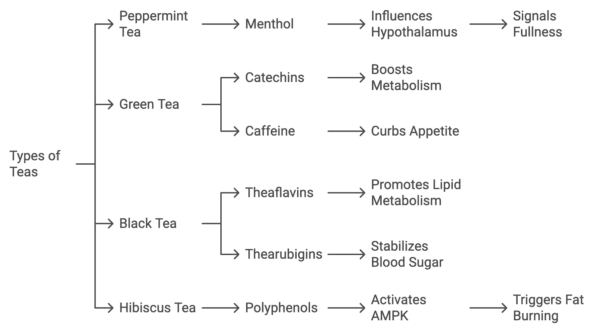 Here are science-backed teas that can help curb cravings and promote moderate weight loss in conjunction with a healthy lifestyle.
Certain teas influence appetite and weight management through various mechanisms.
1. Peppermint Tea
This popular tea that helps with hunger and aids digestion.
The menthol provides a cooling sensation that reduces appetite.
- Tea That Curbs Appetite: Some studies hint that the scent of peppermint might just be the trick to keeping your hunger in check.
- But Here’s the Catch: When it comes to drinking peppermint tea, its direct influence on suppressing hunger is still a bit of a mystery.
Dosage: 1-2 cups daily
2. Dandelion Root Tea
Dandelion tea balances digestion and blocks fat absorption.
The Science Behind Dandelion and Fat Metabolism
- The Potential: Research suggests that dandelion might indeed have an impact on lipid metabolism.
- The Unknown: However, the exact percentage of fat absorption blocked by dandelion is still a mystery, especially when it comes to human studies.
From Animals to Humans: The Translation Trouble
It makes the digestive tract more efficient at metabolizing carbs and sugar. Caffeine-free, this subtle earthy tea can be consumed daily.
3. Green Tea
The catechins and caffeine in green tea work synergistically to:
- Increase calorie burn
- Accelerate fat breakdown
- Suppress appetite
Studies confirm green tea cuts body weight and fat mass when combined with a healthy diet.
- The Buzz: Green tea is often touted for its metabolism-boosting properties.
- The Reality: While it does have an impact, the increase in calorie burn is generally quite modest.
Dosage: 100-460 mg catechins + 80-300 mg caffeine daily
The Thermogenesis Effect: Turning Up the Heat
Imagine your body as a high-efficiency engine, burning fat with ease. That’s essentially what happens when green tea’s catechins (270 mg, to be exact) and caffeine (150 mg) team up. A three-day study revealed that participants experienced boost in energy expenditure – a.k.a. their bodies started burning more calories.
The Appetite Suppression Experiment: Mixed Results
But what about curbing those pesky hunger pangs? A short-term trial found that men who consumed 500 mg of green tea extract cut their energy intake by 8% at subsequent meals. Impressive, right? However, longer studies have yielded mixed results. Some trials showed no significant differences in appetite scores between green tea and placebo groups. It seems individual responses and study conditions can influence the outcome.
The Verdict: Green Tea’s Weight Loss Impact
So, can green tea be a trusted sidekick in your weight loss journey? The answer is a nuanced yes… and no. While it may aid in appetite control and fat oxidation, results can vary greatly from person to person.
4. Black Tea
The abundant antioxidants in black tea promote fat metabolism and reduce oxidative stress linked to obesity.
Caffeine Content: The Not-So-Great Divide
- Black Tea: Typically packs about 40-70 mg of caffeine per 8 oz serving.
- Green Tea: Contains around 20-45 mg of caffeine per serving.
- The Difference: Not as drastic as you might think.
Dosage: 2-3 cups daily, avoiding late afternoons
The Appetite-Suppressing Effect: A Closer Look
- The Claim: Black tea is often touted as an “extra potent” appetite suppressant.
- The Reality: The evidence is mixed, and its effectiveness is not universally recognized.
5. Hibiscus Tea
Hibiscus contains metabolism-activating polyphenols that help shed body fat.
Additional benefits:
- Good antioxidant
- Supports liver health
- Lowers blood pressure (the results may vary)
- The Good Stuff: Hibiscus tea does show promise in supporting metabolism and boasting antioxidant properties.
- The Not-So-Good Stuff: Many weight loss and overall health claims are either exaggerated or lack concrete scientific evidence.
How to Enhance Appetite Control with Tea
To maximize results:
Is Appetite Suppressant Tea Right for You?
While generally safe, consider any pre-existing conditions before using herbal supplements:
- Digestive issues – Peppermint may worsen GERD, ulcers
- Surgery – Stop taking 2 weeks prior
- Pregnancy – Consult doctor before use
- Medications – Watch for interactions
Talk to your healthcare provider first if you have concerns. Monitor your body’s reactions to find your optimal dosage and tea blend.
When combined with dietary changes and regular activity, sipping appetite-blocking tea makes weight management more attainable.
Combining tea with a healthy lifestyle
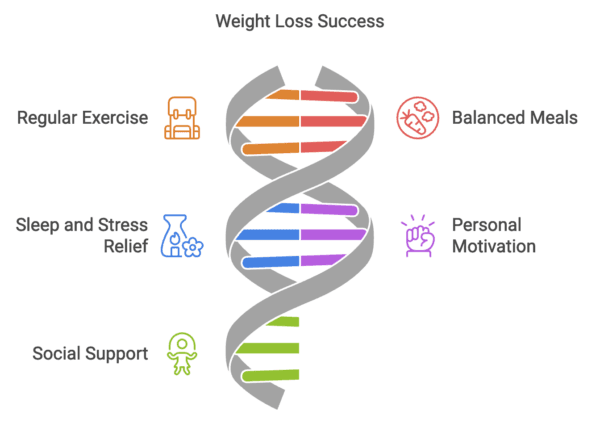 Used strategically alongside other evidence-based weight management tactics, appetite control tea is a reliable way to dial in healthier eating habits.
But lasting change requires a multi-pronged approach – not just a “magic cup” of tea!
Be sure to:
- Incorporate regular exercise into your routine.
- Focus on nutritious, balanced meals.
- Develop sustainable sleep and stress relief habits.
- Define your “why” for wanting to lose weight.
- Surround yourself with positive social support.

Important Health Note
- Consult a Professional: The information provided is for general educational purposes only.
- Not Medical Advice: It’s not intended to diagnose, treat, cure, or prevent any disease or health condition.
- Your Health, Your Responsibility: Always consult a qualified healthcare professional before making any decisions about your health